

Sheet metal fabrication is widely used in the production of various products and components, serving a broad range of needs from prototyping to mass production. It is an essential process in modern manufacturing. However, costs can vary significantly depending on the materials used and the manufacturing methods selected. Therefore, knowledge of cost optimization is crucial. In particular, when production volumes are high, even a small difference in unit cost can have a significant impact on the overall manufacturing cost.
This article introduces 10 common cost-reduction strategies in sheet metal fabrication and explains how each approach contributes to lowering manufacturing costs. It also provides practical insights and cost-saving ideas to help reduce both material and processing expenses. We hope it serves as a valuable reference for your manufacturing operations.
Contents
- What is sheet metal fabrication?
- 10 Cost-reduction examples in sheet metal fabrication
- Reduce material costs by downsizing parts
- Lower processing costs by reducing the number of bending operations
- Reduce assembly costs by integrating multiple parts into one
- Improve efficiency by standardizing tap and screw sizes
- Optimize tolerances to reduce machining effort
- Reduce manufacturing costs by eliminating unnecessary welding processes
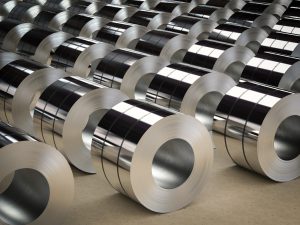
- Lower material costs by using standard materials
- Reduce costs by reviewing surface treatment methods
- Optimize costs and lead times through smart material selection
- Reduce manufacturing costs by changing the processing method
- Conclusion
What is sheet metal fabrication?
Sheet metal fabrication is a type of plastic forming process in which force is applied to metal sheets to produce products with the desired shape. Typically, sheet metal fabrication involves several steps, including drawing development, punching or cutting, bending, welding, finishing, and assembly to manufacture the final product.
The main difference between sheet metal fabrication and press working is whether a dedicated die is required for each product. In sheet metal fabrication, many processes can be performed using general-purpose tooling, eliminating the need to prepare a dedicated die for each product. This makes the process well suited for high-mix, low-volume production.
Sheet metal fabrication can be broadly classified into two categories:「manual sheet metal work」, which is performed using tools such as hammers and shears, and 「machine sheet metal fabrication」, which utilizes specialized equipment. In manual sheet metal work, each product must be individually fabricated and finished, making the process more time-consuming. However, it is well suited for delicate and intricate work that is difficult to achieve using machinery alone.
10 Cost-reduction examples in sheet metal fabrication
Sheet metal fabrication costs can be reduced through various approaches, including design modifications, production efficiency improvements, and optimized material selection. The following sections introduce practical ideas and real-world examples that can help reduce costs in sheet metal fabrication.
1.Reduce material costs by downsizing parts
The larger a sheet metal part is, the higher the material cost tends to be. Therefore, if product performance is not affected, reducing the size of the part can be an effective way to lower costs. Smaller parts also allow more components to be produced from the same amount of material, reducing material waste and improving material utilization.
Whenever possible, part dimensions should be designed to match standard material sizes. This helps minimize scrap and further improves material efficiency. In addition, standard materials are generally less expensive and easier to procure than specialized materials, making it possible to further reduce material costs.
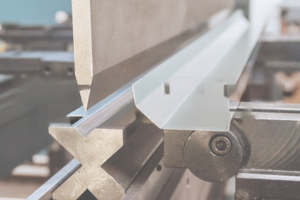
2.Lower processing costs by reducing the number of bending operations
For parts with complex geometries, machining costs can be reduced by modifying the design and minimizing the number of bending operations, provided that product performance is not affected. The fewer bending operations required, the lower the workload during fabrication, which helps reduce processing time and shorten lead times. For example, replacing a step-bent design (a shape with multiple offset bends) with a simpler L-Bend design can contribute to significant cost savings.
In bending processes that use dies, reducing the number of bending operations can also help minimize die wear. By reducing wear, the service life of the die can be extended, leading to long-term cost savings through lower maintenance and replacement costs.
3.Reduce assembly costs by integrating multiple parts into one
Integrating multiple components into a single part instead of dividing them into separate pieces can reduce the number of welds required, thereby lowering assembly labor costs. For example, if an L-bent component is redesigned as an integral part of the main body, welding operations can be eliminated entirely. Since welding is a process that is relatively difficult to automate, reducing or eliminating welding operations can lead to significant cost savings.
To achieve even greater cost reductions, efforts should be made during the design stage to minimize assembly labor and reduce the number of components. Minimizing the number of parts also reduces the number of bolted connections required, which can help reduce material costs.
4.Improve efficiency by standardizing tap and screw sizes
When tapping operations are required, costs can be reduced by standardizing tap and thread sizes. Using multiple tap and thread sizes requires more frequent tool changes, which reduces productivity and increases processing time. By standardizing tap and thread sizes, tool changeovers can be minimized, leading to shorter lead times.
Standardizing thread sizes can also help prevent human errors, such as selecting the wrong fasteners or components. By reducing human errors, companies can avoid the time and effort required for rework and corrections, thereby improving operational efficiency.
5.Optimize tolerances to reduce machining effort
Reviewing unnecessarily tight tolerance requirements and relaxing them where product functionality is not affected can help reduce machining workload and manufacturing costs. Strict tolerance requirements often require the use of high-precision equipment for longer periods of time. In addition, extra inspection and measurement processes are usually needed after machining, which increases labor hours and production costs.
When tighter tolerances than general tolerances are specified, machining operations typically require more time and effort, resulting in higher manufacturing costs. Therefore, it is important to evaluate whether it is truly required. If custom tolerances are not necessary, removing those specifications and relying on standard tolerances can significantly reduce production costs.
6.Reduce manufacturing costs by eliminating unnecessary welding processes
There are various types of welding used in sheet metal fabrication, and the amount of labor required varies depending on the welding method selected. By choosing welding methods that are relatively simple and require fewer labor hours, such as spot welding, manufacturing costs can be reduced.
Depending on the product geometry, adopting a weld-free structure using tabs may also help reduce manufacturing costs. However, weld-free structures can be more susceptible to reduced strength. Therefore, it is important to select the appropriate design approach based on the intended application.
7.Lower material costs by using standard materials
The more specialized the material size or material type, the higher the procurement cost, which can lead to increased manufacturing expenses. When tight tolerances are not required, adopting a design that utilizes standard materials can help reduce material costs and achieve overall cost savings.
Even for parts designed to be manufactured by welding multiple materials together, standard materials may be used instead, depending on the product specifications.
Using standard materials as they are can reduce not only material procurement costs but also the amount of additional processing required, leading to shorter lead times and lower manufacturing costs. In some cases, parts can be produced by applying only minor secondary machining processes to standard materials. Therefore, manufacturers should explore various approaches to reduce material procurement costs.
8.Reduce costs by reviewing surface treatment methods
There are various surface treatment methods used in sheet metal fabrication, and manufacturing costs vary depending on the method selected. Therefore, reviewing and optimizing surface treatment requirements can help reduce overall production costs. For example, for products that require full-surface coating, costs can be reduced by applying the coating only to areas where appearance or functionality is important. This approach eliminates part of the process, shortens lead times, and lowers manufacturing costs. Similarly, for products that require polishing, reviewing whether polishing is truly necessary and limiting it to the minimum required level can also contribute to cost reduction.
9.Optimize costs and lead times through smart material selection
There are various grades and types of steel, stainless steel, aluminum, and other materials used in sheet metal fabrication. Depending on the application, costs can be reduced by selecting more cost-effective material alternatives. In addition, widely available standard-size materials offer the advantage of better availability, which can help shorten procurement and lead times.
However, it is important to note that when surface treatments such as plating or anodizing are required, procuring materials that have already been treated may sometimes result in lower overall costs. For example, when manufacturing parts from cold-rolled steel sheets that require zinc plating, using electro-galvanized steel from the outset may help reduce overall manufacturing costs.
10.Reduce manufacturing costs by changing the processing method
There are various processing methods available in sheet metal fabrication. By moving away from conventional methods and adopting more cost-effective alternatives, such as punching, manufacturers can reduce processing costs. In addition, when machine operating costs are not a major concern, laser cutting may also help reduce overall manufacturing costs.
Of course, both laser processing and punching have their own disadvantages and cannot be considered universal solutions. For example, punching is generally not suitable for processing thick sheet metal. Therefore, when selecting a manufacturing method, it is important to consider not only cost but also the technical characteristics and application requirements of the product.
Conclusion
Sheet metal fabrication costs can be significantly reduced through design optimization, careful material selection, and process improvements. Measures such as downsizing or integrating parts, reducing the number of manufacturing steps, optimizing tolerances, and utilizing standard materials are all effective ways to lower production costs. These improvements not only eliminate unnecessary expenses but also help maintain product quality. Therefore, these measures are highly effective as part of ongoing cost management efforts in manufacturing operations.
View our Sheet metal, laser cutting, and welding projects Here
At Agency Assist Vietnam, our professional sales team handles the entire procurement process on behalf of our customers, providing a convenient and hassle-free experience!
All machined components undergo thorough inspection at our Quality Control Center to ensure high-quality parts that fully comply with drawing specifications. Simply send your drawings Here, Agency Assist Vietnam will provide a quotation on the same day. Please feel free to contact us for consultation and support.