

Surface treatment is a type of manufacturing process typically performed during the final stage of production to enhance the properties of a material’s surface or improve its appearance.
Surface treatment encompasses a wide range of processes, including cleaning, polishing, etching, painting, plating, and chemical conversion treatment. In this article, we will focus on plating, one of the most commonly used surface treatment methods
Contents
What is plating?
Plating is a type of surface treatment in which a thin layer of metal is coated onto the surface of a material, such as metal or non-metal, using a different metal.
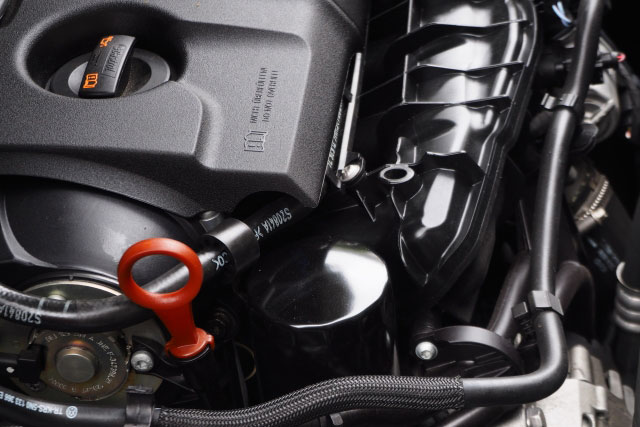
Plating is widely used in a variety of products that we encounter in everyday life, including smartphone connectors, automotive engine components, household appliances, and water faucets.
Purpose of plating
Plating is a technology that forms a thin metallic coating on the surface of a material. Its purposes are diverse and can generally be grouped into three main categories.
Improved appearance
Decorative plating enhances the appearance of a material by giving its surface a glossy finish and enabling a variety of colors and textures to be applied. In addition to improving the visual appeal of a product, decorative plating can also enhance corrosion resistance. As a result, plating expands the range of product design possibilities and enables manufacturers to meet diverse consumer needs.

Improved corrosion resistance
Plating for corrosion protection plays a vital role in extending product life and maintaining product quality. By forming a protective coating on the surface of a material, plating helps shield the base material from corrosive factors such as oxygen and moisture.
In addition, because the plated layer uniformly covers the surface, it can help prevent small scratches and surface defects from becoming starting points for corrosion. Common examples of corrosion-resistant plating include zinc plating and electroless nickel plating.
Enhanced functionality
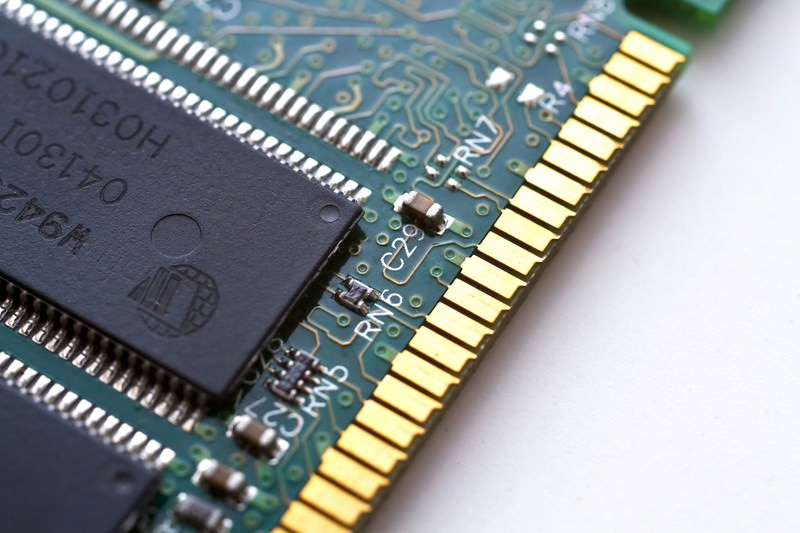
Plating can also enhance the functional properties of a material, such as electrical conductivity and wear resistance. For example, silver plating and gold plating offer excellent electrical conductivity and are commonly used for electrical contacts and connectors in electronic components.
In addition, hard chrome plating and electroless nickel plating offer excellent wear resistance. By protecting the surface of a product from scratches and wear, these plating methods help maintain durability and extend the service life of components.
Types of plating
The following section introduces some of the most common types of plating used in manufacturing and surface treatment applications.
| Type | Film thickness (Min ~ Max)/ μm | Main substrate material | Alternative name |
|---|---|---|---|
| Hard chrome plating | 5(1~500) | Steel, stainless steel, copper, and other alloys | Hard chrome, HCr, ICr |
| Zinc plating | 5(3~50) | Steel, copper | Unichrome, clear chromate, bright chromate |
| 10(5~50) | Trivalent white chromate, trivalent unichrome, trivalent chromate, white chromate | ||
| Electroless nickel plating | Typical 5(1~100) | Steel, stainless steel, copper, aluminum | Electroless nickel |
| Nickel plating | 20(5~50) | Steel, stainless steel, copper, brass | Ni, electrolytic nickel, electrolytic Ni |
| Chrome plating | 20(5~50) | Steel, stainless steel, copper, brass | Nickel chrome, NiCr |
※ Coating thickness may differ depending on the base material. The values shown above are for reference purposes only.
Conclusion
A wide variety of plating processes are available, each offering distinct properties and applications. Selecting the most suitable plating solution based on requirements for appearance, corrosion resistance, or functional performance can significantly improve a product’s performance, durability, and overall aesthetics.
At Agency Assist Vietnam, our professional sales team handles the entire procurement process on behalf of our customers, providing a convenient and hassle-free experience!
With more than 30 years of procurement experience and a network of more than 100 partner manufactures, Agency Assist Vietnam can source a wide range of parts through a one-stop solution, from preparing materials, processing to surface treatment, helping customers achieve greater efficiency and cost-effectiveness.
We support order from single-piece to low-volume and high-mix production.
All products are inspected by our in-house quality control team before delivery to ensure consistent quality.
Send your drawings Here for a quick quotation.
About our Machining Technology List