


When outsourcing metal processing work, many customers struggle with questions such as,「I don’t know the market price」or「Different suppliers provide significantly different quotations, making it difficult to make a decision」.Metal processing costs can vary significantly depending on factors such as the material type, processing method, delivery schedule, order volume, and other requirements.
This article begins with a review of the fundamentals of metal processing (including the different processing methods and selection criteria). It then examines typical metal processing costs, the key factors that affect pricing, and practical tips for reducing manufacturing costs.
Through the practical insights shared in this article, you will gain a clear basis for evaluating metal processing costs, enabling you to make informed decisions, and place orders with confidence.
Contents
- What is metal processing?
- Types of metal processing
- Points to consider when choosing a metal processing method
- How much does metal processing typically cost?
- Factors that determine metal processing cost
- How to reduce metal processing cost?
- Does a lower metal processing cost always mean a better supplier?
- Frequently ask questions (FAQ)
- Conclusion
What is metal processing?
Metal processing refers to all manufacturing processes performed on metal materials to produce products or components. Metal processing can be classified into two main categories:「Shape-changing processes」and「Property-altering processes」.The most suitable method is selected according to the intended application, product shape, production volume, and delivery schedule.
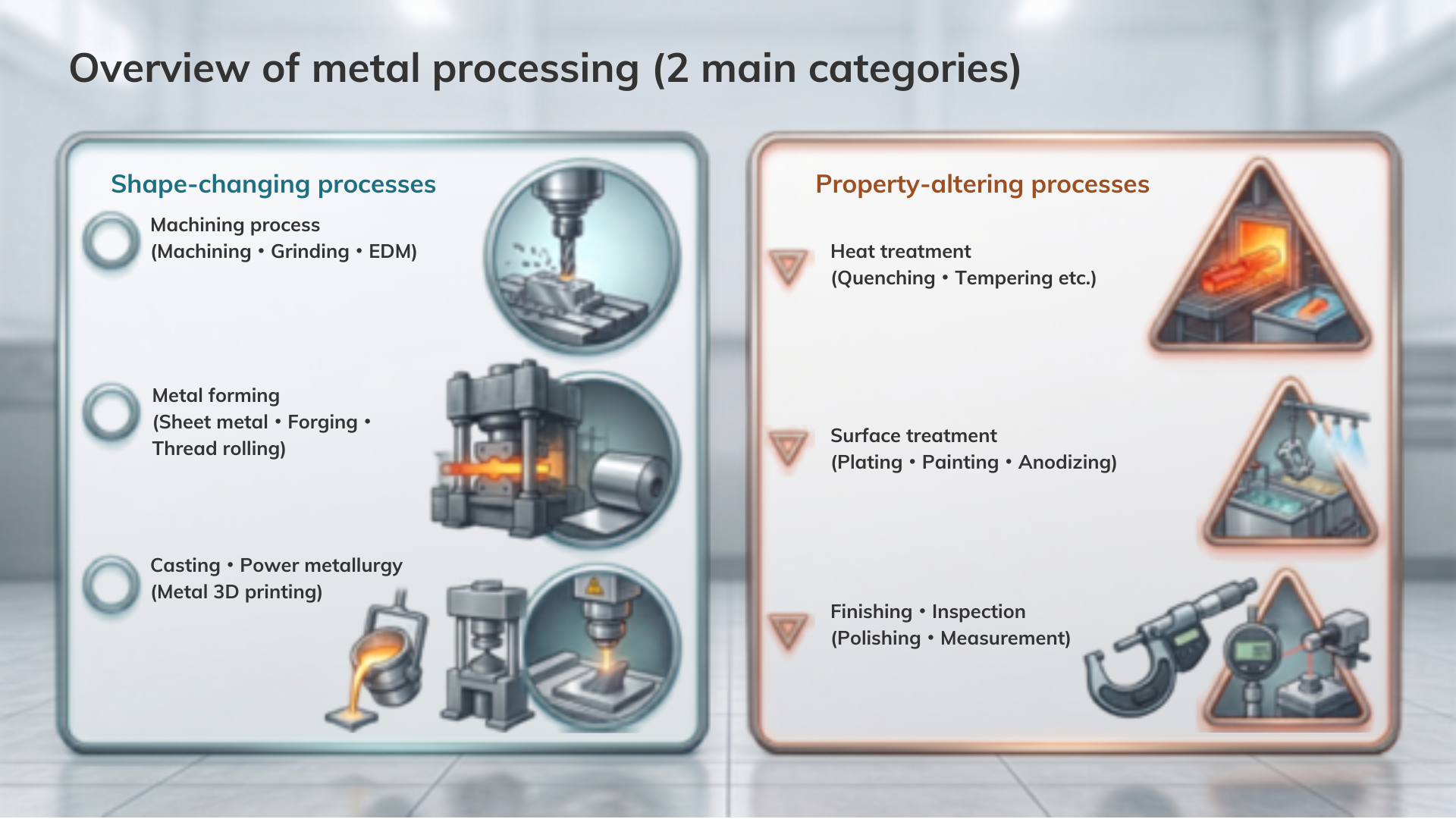
A key point for beginners to understand is that metal processing is not based on a single manufacturing method, but rather a combination of multiple processes, such as machining, sheet metal fabrication, casting, heat treatment, and surface treatment. For example, a common workflow involves machining a part to create its shape, applying heat treatment to improve its strength, and then performing surface treatment to enhance corrosion resistance.
Types of metal processing
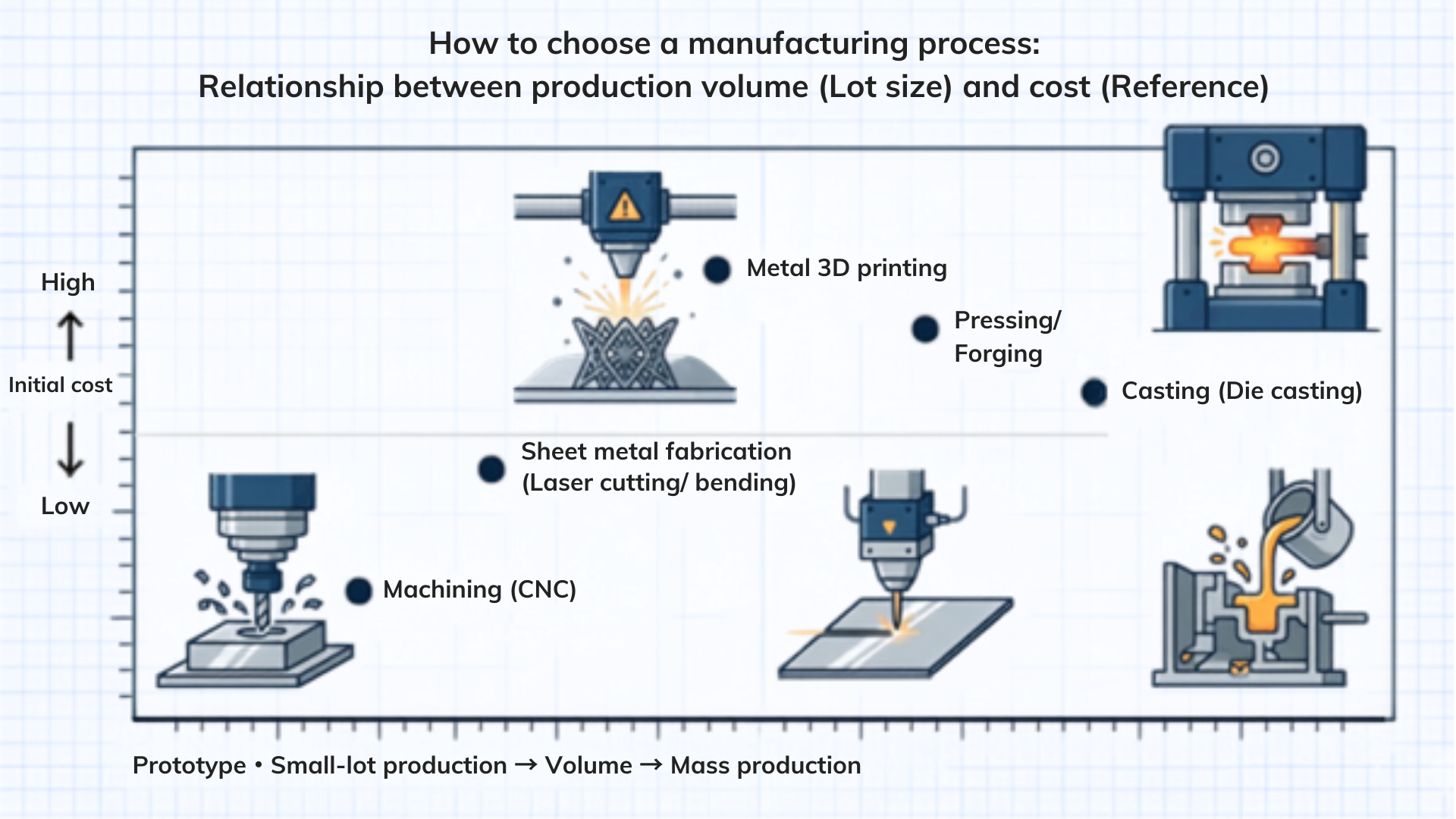
In this section, we will provide an easy-to-understand overview of the most commonly used metal processing methods for beginners. Since there are many different manufacturing processes, the most suitable method may vary depending on production volume and cost requirements. The figure below illustrates the relationship between production volume and cost for each processing method. Detailed explanations of each method are provided in the following sections.
Machining processing (cutting, grinding, EDM, etc.)
This process creates the desired shape by removing material with machine tools. It is well suited for producing even a single part and offers a good balance between accuracy and cost. However, parts with complex geometries or tight tolerances generally require longer machining times, which tends to increase manufacturing costs.

Metal forming (sheet metal fabrication, forging, thread rolling, etc.)
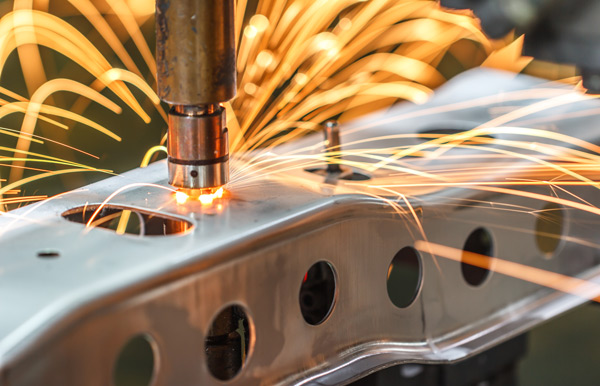
This process shapes a material by applying force to deform it. In sheet metal fabrication, processes such as laser cutting, punching, bending, and welding are often combined, making it suitable for applications ranging from prototype production to medium-volume manufacturing. Forging and thread rolling are ideal for mass production. While they require initial investment (tooling cost, etc.), larger production volumes generally result in lower unit cost.
Casting (Die casting)
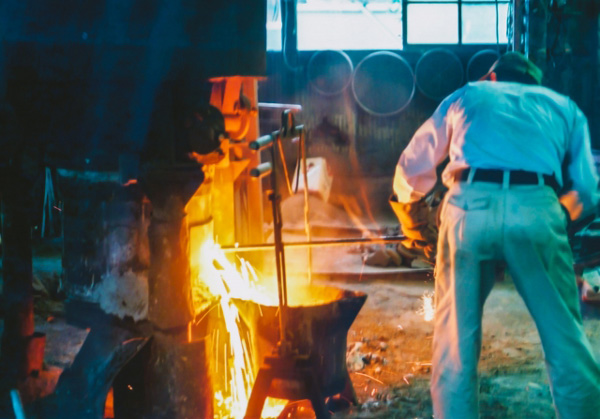
This manufacturing process involves melting metal, pouring it into a mold, and allowing it to solidify into the desired shape. It is well suited for the mass production of complex-shaped parts. However, it requires initial investment costs, such as mold and tooling fabrication.
Heat treatment, surface treatment
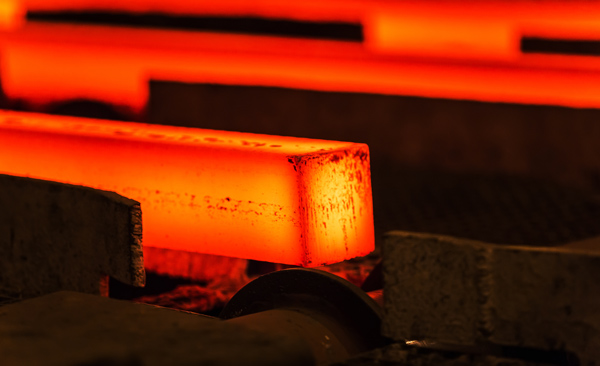
Heat treatment modifies the hardness and microstructure of a material through controlled heating and cooling processes. Surface treatment enhances corrosion resistance, appearance, and wear resistance through methods such as plating and coating. In most cases, these processes are not carried out in-house by machining shops. Instead, they are typically outsourced to specialized heat treatment or surface treatment service providers.
Related article: Heat treatment basics | Types of quenching and their characteristics
Related article: Surface treatment basics | Explanation of anodizing
Points to consider when choosing a metal processing method
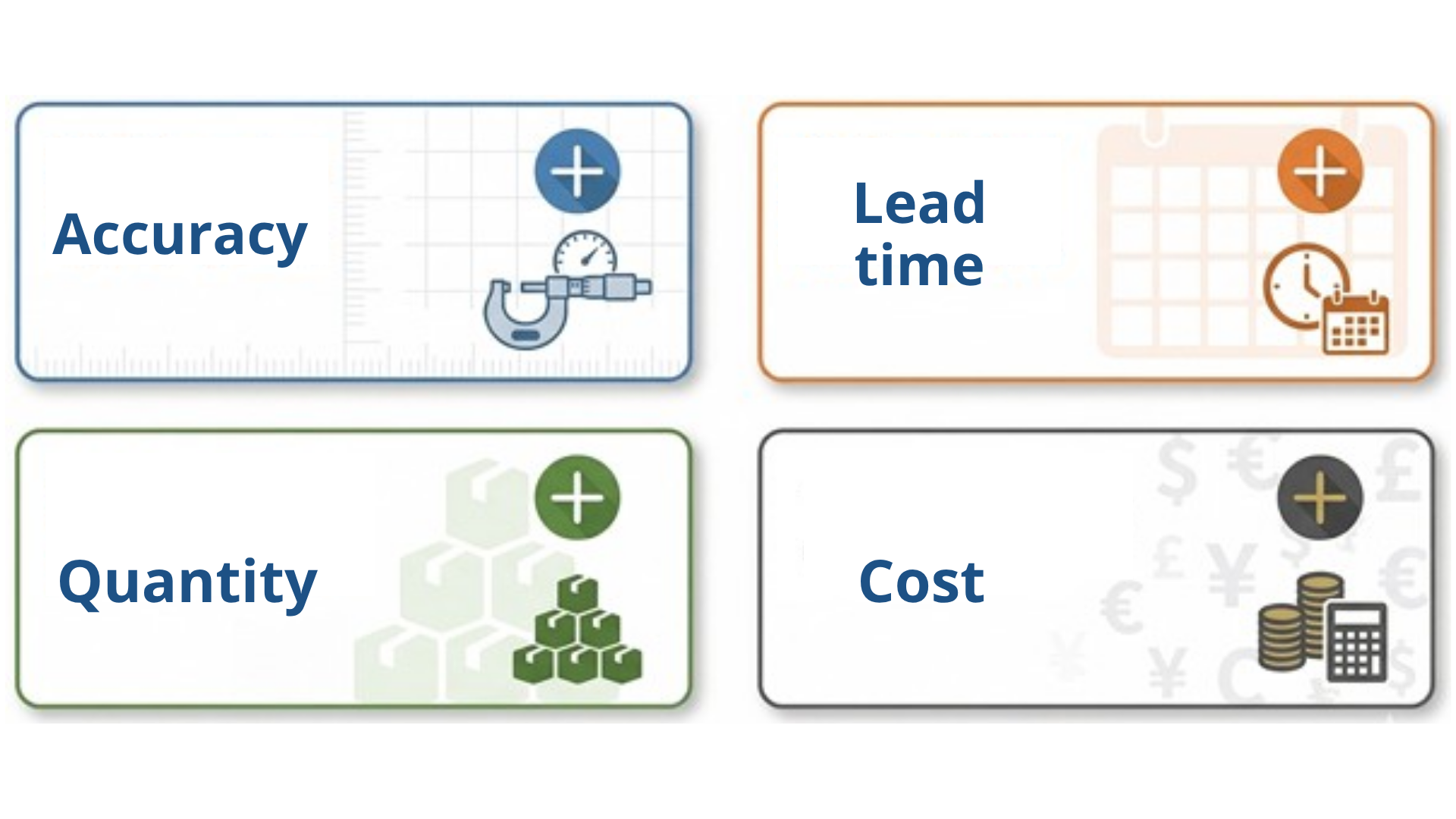
When selecting a metal processing method, it’s necessary to determine which factor is most important among 「accuracy」,「cost」,「lead time」and「production quantity」, and find the right balance between them.
Even if the most suitable manufacturing process has been identified, the final outcome can still vary depending on factors such as:「Whether the work can be handled in-house or requires support from a partner factory」,「Whether similar projects have been completed in the past」,「Whether advice has been sought from experienced professionals (production engineers or machining suppliers)」. When hesitate, instead of over-specifying requirements from the outset, it is advisable to work with the manufacturer to develop a design that is more practical and manufacturing friendly.
In the following sections, we will explain how to understand and evaluate metal processing costs (quotations), starting with a「cost breakdown」, followed by an「explanation of typical market pricing」, and finally「cost-reduction strategies」, along with practical examples..
How much does metal processing typically cost?
Metal processing refers to all manufacturing processes performed on metal materials to produce products or components. Broadly, these processes can be classified into two categories:「shape-changing processes」and 「property-altering processes」. The most suitable method is selected based on factors such as application, product geometry, production volume, and delivery requirement.
In addition, there is no standardized rule for preparing quotations. The total cost and cost breakdown of metal processing may vary from one manufacturer or machining supplier to another. Factors such as production equipment, labor costs, processing time, and required precision also have a significant impact on pricing.
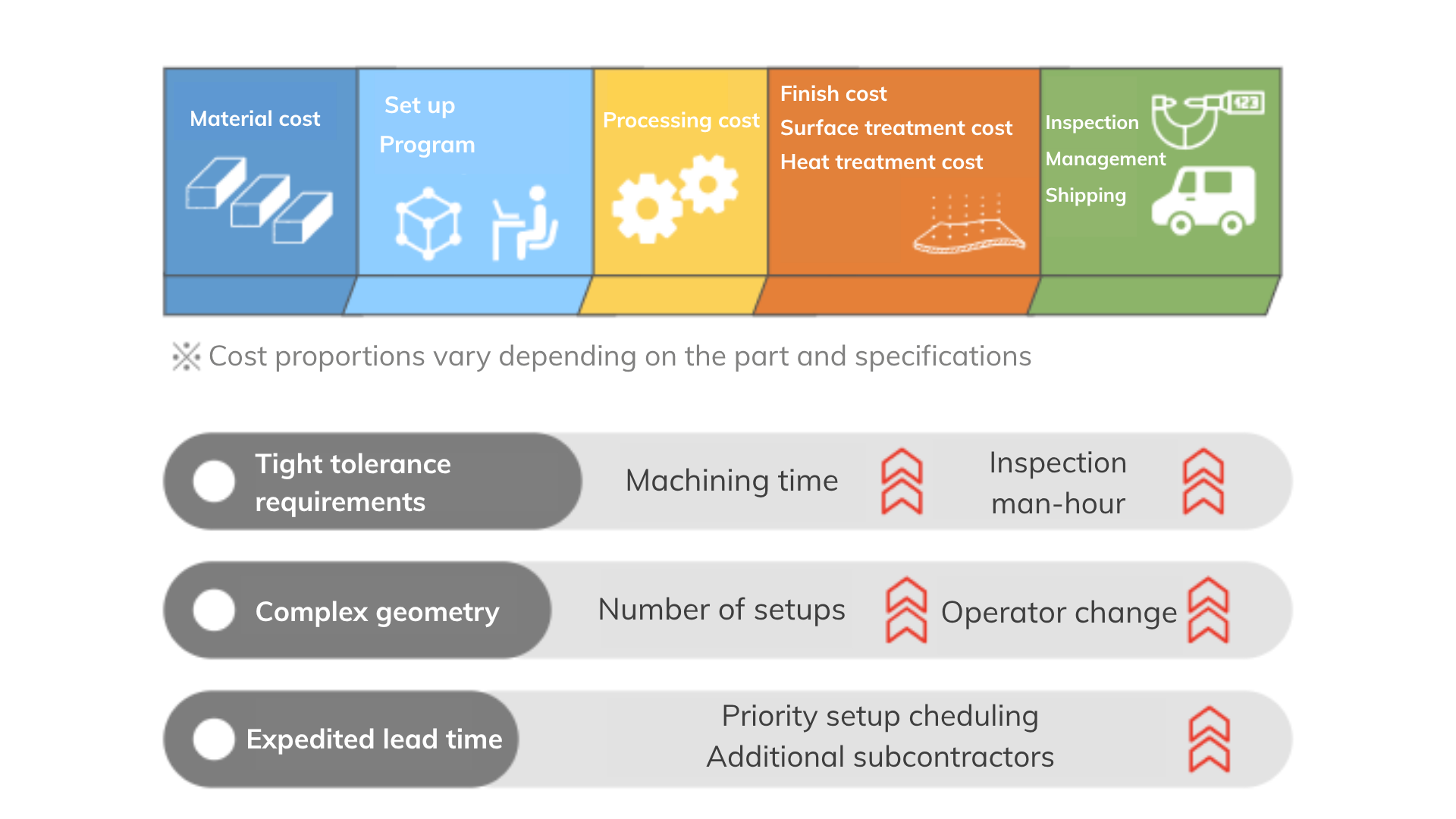
A metal processing quotation generally consists of「material cost」,「processing cost (including setup and programming)」, and「special processing cost (such as surface treatment and heat treatment)」. Depending on the project, additional costs such as jigs and fixtures, inspection, management, and shipping may also be added. Simply understanding this cost breakdown can make it much easier to compare quotations from different suppliers.
One of the most commonly overlooked cost factors for beginners is「setup cost」and「inspection/measurement cost」. In particular, specifying tight geometric tolerances (GD&T)¹, can increase not only the machining time but also the time required for inspection and measurement. As a result, both costs and lead times tend to increase.
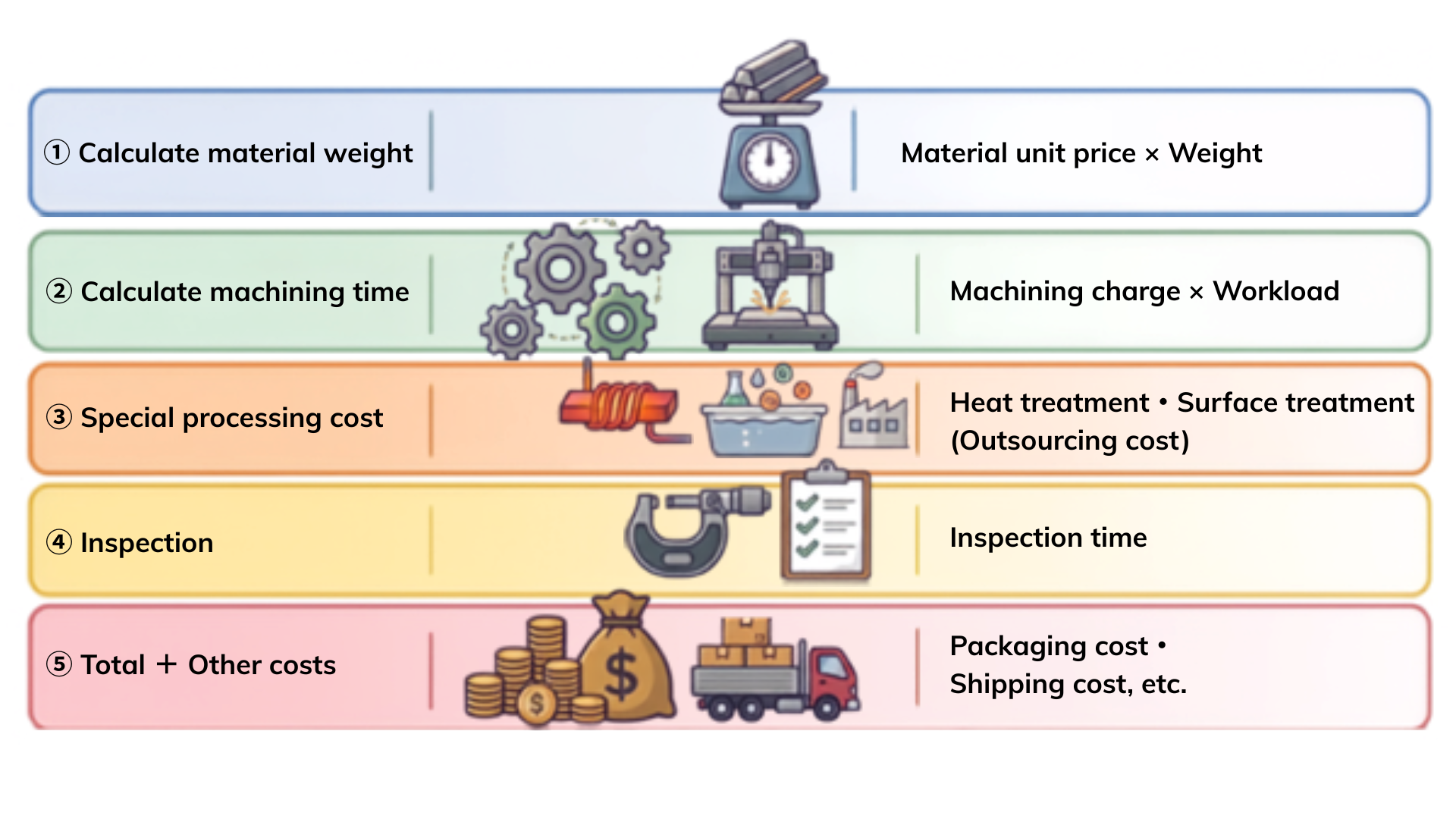
For a rough estimate, it is easiest to think of the total cost as the sum of「Material Cost + Machining Cost + Special Processing Cost + (Inspection, Shipping, etc.)」. Machining cost can be expressed as: Machining Rate (Hourly Rate) × Machining Time (Man-hours).
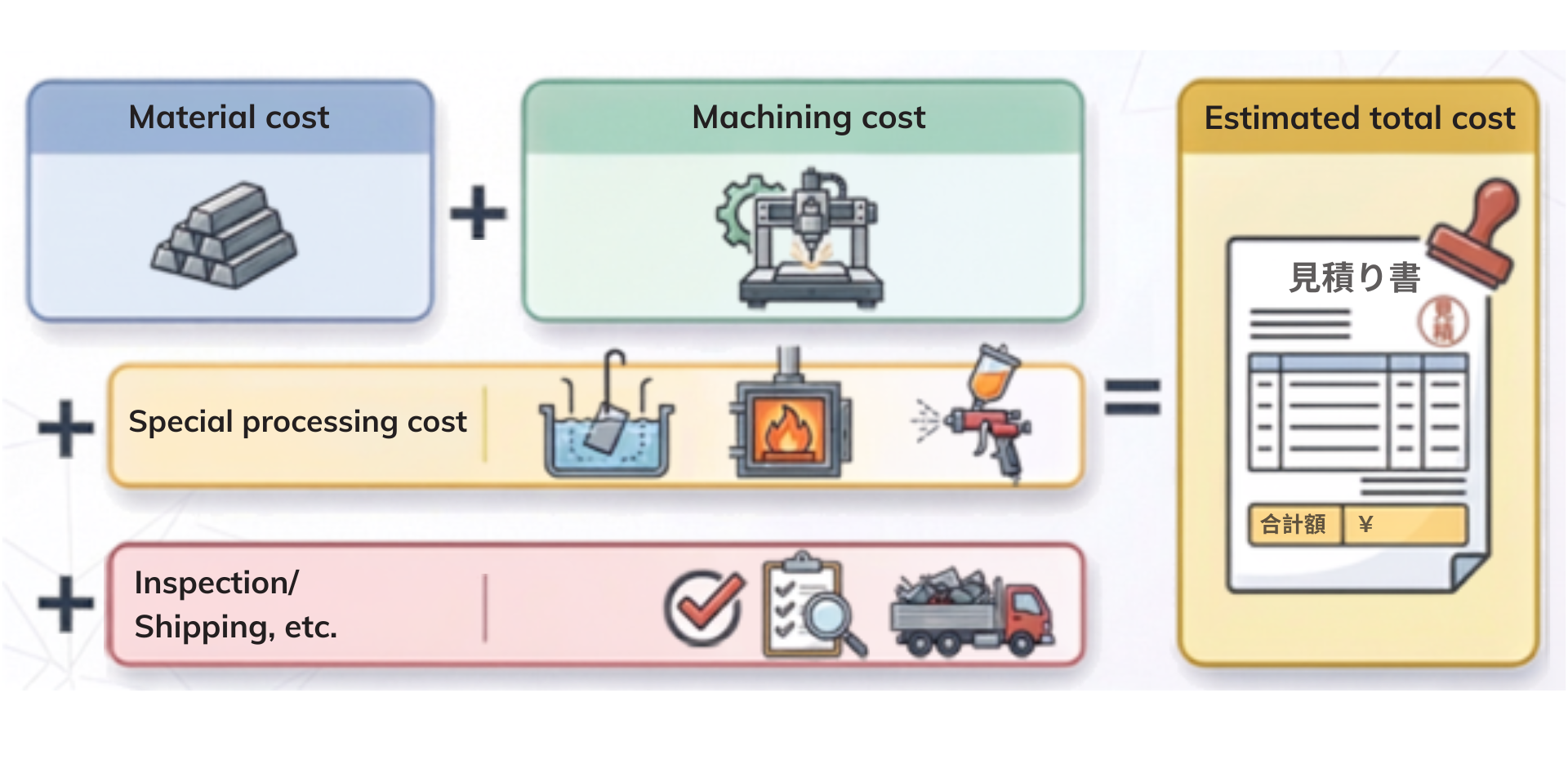
For example, when producing a small aluminum part through machining, the material is not cut from stock that exactly matches the final part dimensions. Instead, it is machined from a larger block that includes material for clamping allowance and machining allowance. As a result, the actual material weight is usually greater than the finished part weight. Therefore, it is important to remember that material costs are not always based solely on the final product weight.
In addition, machining man-hours generally include not only the actual machining time but also activities such as programming, setup, tool changes, and measurement/inspection. As a rule, the more complex the geometry and the tighter the tolerance requirements, the more likely it is that machining time, inspection time, and rework (scrap or corrections) will increase, resulting in higher overall costs.
Factors that determine metal processing cost
The majority of metal processing costs consist of three main components:「Material cost」,「machining cost」, and「special processing cost」. In this section, we will explain each of these cost components in detail and discuss the factors that can affect their pricing.
Material cost
In metal processing, it is common to purchase and use the amount of metal material required for production. The price of metal materials is generally determined by their weight, rather than the size of the material block. In other words:「Material cost = Material unit price (per kg) × Material weight」. The unit price per kilogram varies depending on the material. For example, the unit price of steel is approximately $1.15/kg, aluminum is about $5.76/kg, and stainless steel is around $6.91/kg (Based on typical material prices in Vietnam).
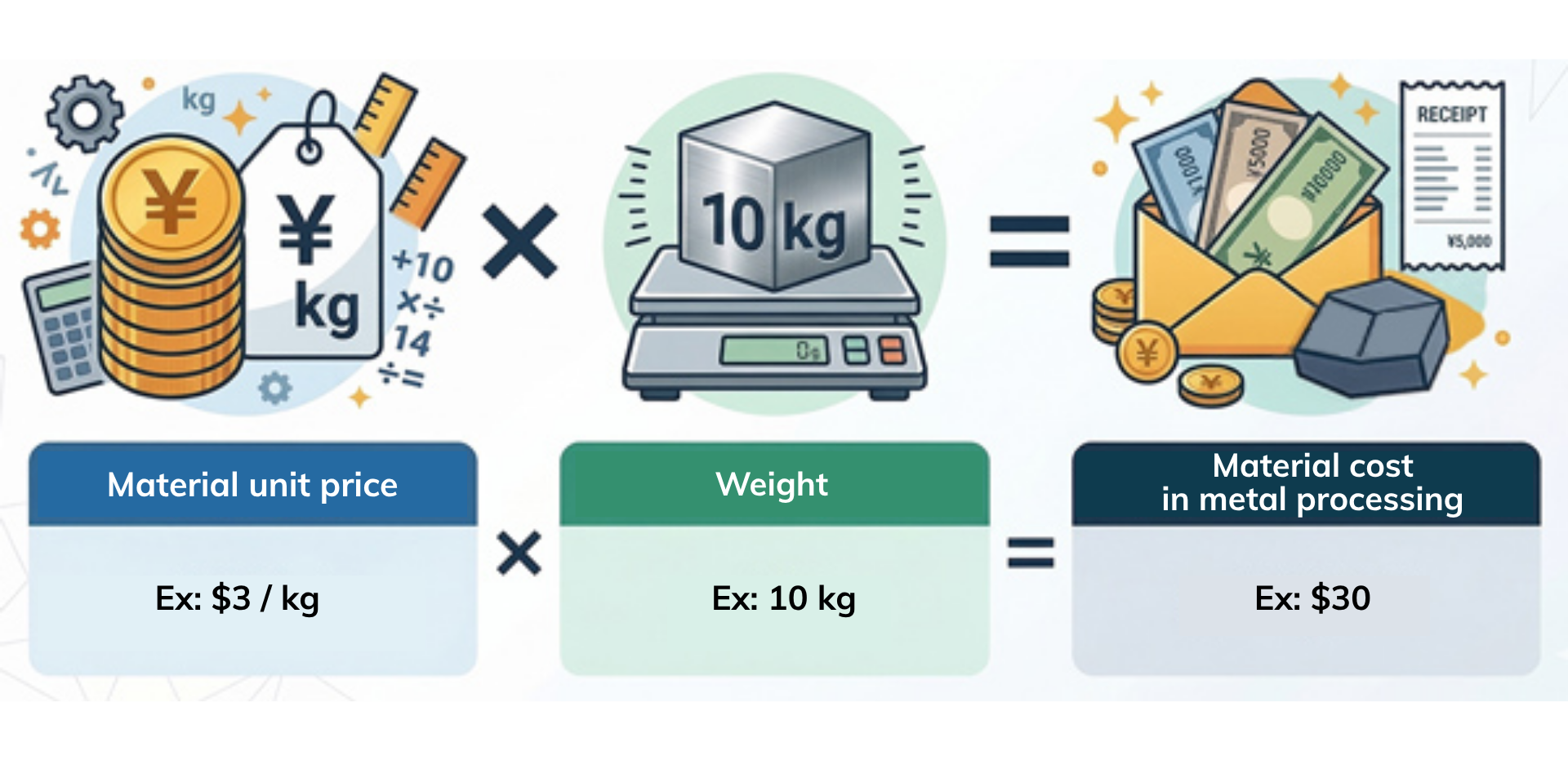
Factors that affect material costs include procurement methods, purchasing volume, and machining difficulty. Some manufacturers purchase metal materials directly from the country of origin, while others source them through trading companies or distributors. Generally, the latter approach tends to result in higher material costs. In addition, purchasing materials in larger quantities can often reduce costs compared with small-volume purchases. Materials that are readily available and easy to machine are generally less expensive. In contrast, materials that require careful machining, such as aluminum, or materials that take longer to machine, such as stainless steel, tend to increase overall processing costs.
In addition, material unit prices fluctuate according to market conditions. For ongoing price management, it is recommended to regularly review the following three sources of information:「①Metal market prices (Ex.: LME)」,「②Domestic price indices (Ex.:The producer price index)」,「③Actual purchase quotations (Trading companies/ material suppiers)」.
Related article: Aluminum Basics | Types of Aluminum and Their Machining Characteristics
Related article: Stainless Steel Basics | Why Doesn’t It Rust? Why Isn’t It Magnetic?
Machining cost
Machining cost refers to the cost required to perform processing operations on a material and is generally calculated using the following formula:「Machining cost = Machining rate × Machining man-hours」. The machining rate consists of factors such as equipment investment costs, depreciation expenses, operating costs, tooling costs, and labor costs. A typical benchmark starts at around $9.59 per hour (based on machining cost levels in Vietnam). Machining man-hours are generally calculated by multiplying the working time by the number of workers involved. In practice, some quotations may simply list the total working hours without specifying the number of personnel.
Machining costs vary depending on the complexity and difficulty of the manufacturing process. For example, when high precision or specialized processing techniques are required, advanced machine tools and highly skilled operators are often necessary. As a result, the machining rate tends to be higher. In addition, unfamiliar processes or parts with unique geometries typically require more trial and error during production. Since these jobs demand additional time and effort, they can have a significant impact on the overall processing cost.
In addition, breaking down the machining rate into labor costs and equipment costs makes it easier to identify where costs are increasing. If the rate is determined solely based on market benchmarks, it may not accurately reflect the actual production cost. Therefore, when comparing quotations, it is advisable to confirm:「Which process the quoted cost covers? How many hours of work are included.」,「Whether inspection and finishing costs are included?」.
Special processing cost
Special processing costs refer to the expenses associated with finishing processes performed after machining, such as surface treatment and heat treatment. Common examples include: Improves corrosion resistance and decorative appearance (Plating), provides protection and enhances the product’s appearance (Painting), improves dimensional accuracy and surface finishing (Polishing).
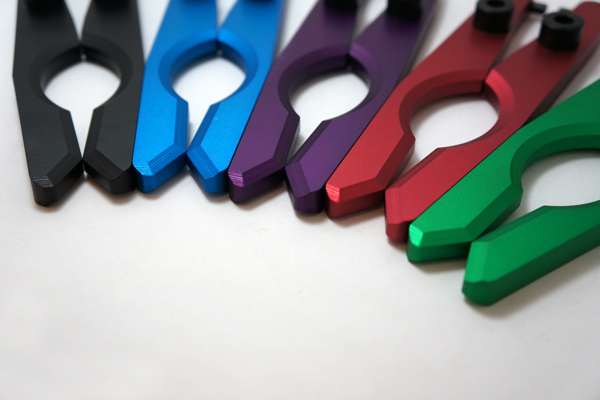
Surface treatment and heat treatment are often required to protect and enhance metal surfaces after machining. The cost of these processes varies depending on the chemicals or coating materials used, as well as the required finishing quality and precision. For example, anti-corrosion plating that provides functional benefits and high-precision mirror polishing typically require additional labor and specialized expertise. As a result, extra charges may be added on top of the standard processing cost. Therefore, when special processing is required, keep in mind that it will increase the overall cost.
How to reduce metal processing cost?
By optimizing the way you place metal processing orders, it is possible to reduce manufacturing costs. Simplifying part geometry, minimizing unnecessarily tight tolerances, reducing unnecessary machining operations, and optimizing material selection are all considered effective ways to reduce manufacturing costs. In addition, by eliminating common issues identified in the checklist below, differences between quotations from multiple suppliers can be minimized, making quote comparisons easier and more reliable.
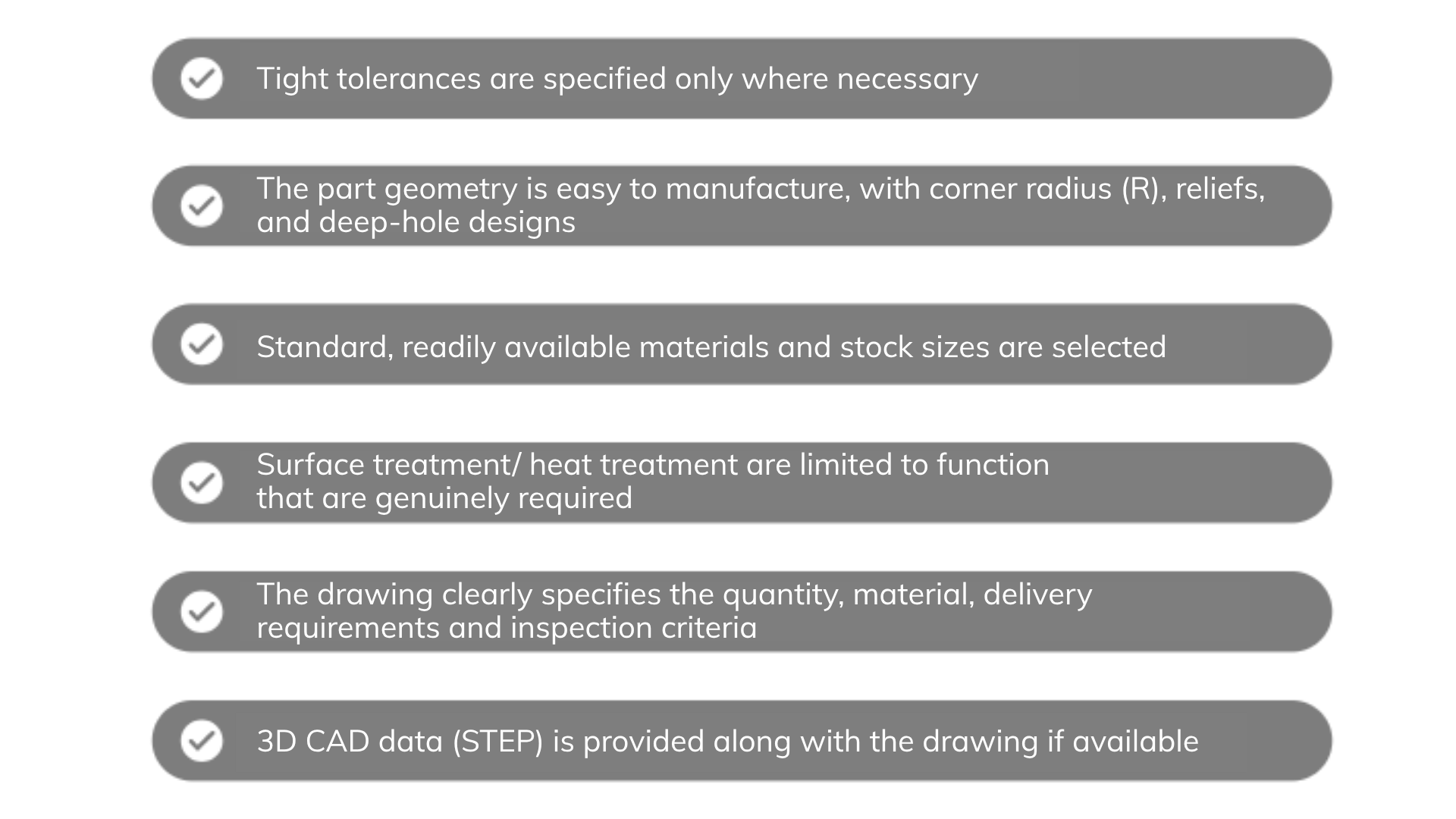
For example, when a square pocket with perfectly sharp internal corners is required, the radius of the cutting tool (end mill) often leaves a residual corner radius (R) in the internal corners. Achieving perfectly sharp corners usually requires additional machining operations, which can increase costs. However, by incorporating corner reliefs and allowing the use of larger-diameter cutting tools, the material removal rate can be increased, reducing machining time and overall manufacturing costs.
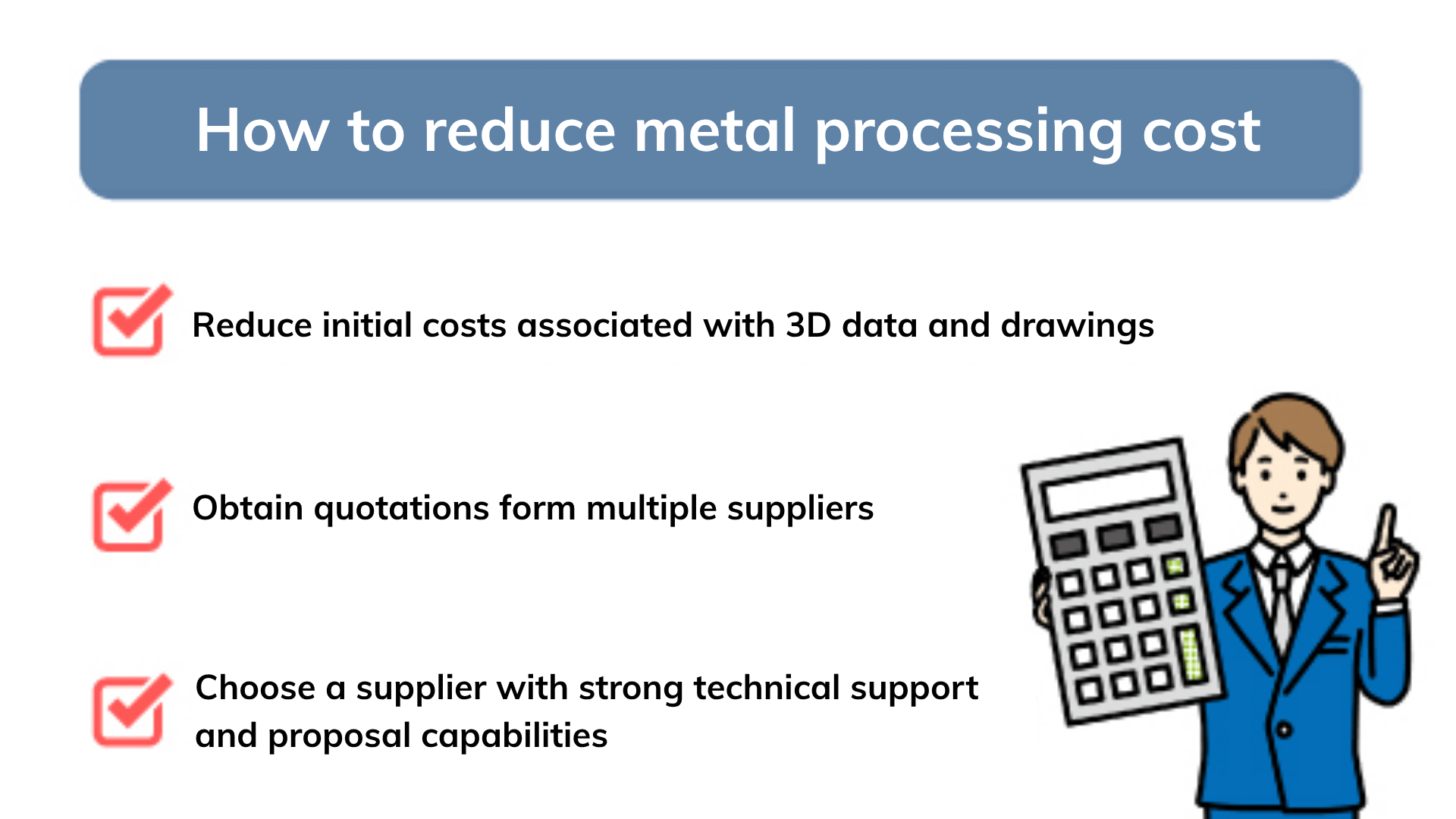
The following sections introduce three effective methods for reducing metal processing costs.
Reduce initial costs associated with 3D data and drawings
Technical drawings are essential in metal processing. In some cases, quotations include the cost of creating drawings and 3D CAD data. Therefore, if these can be prepared in-house, the associated costs can be reduced.
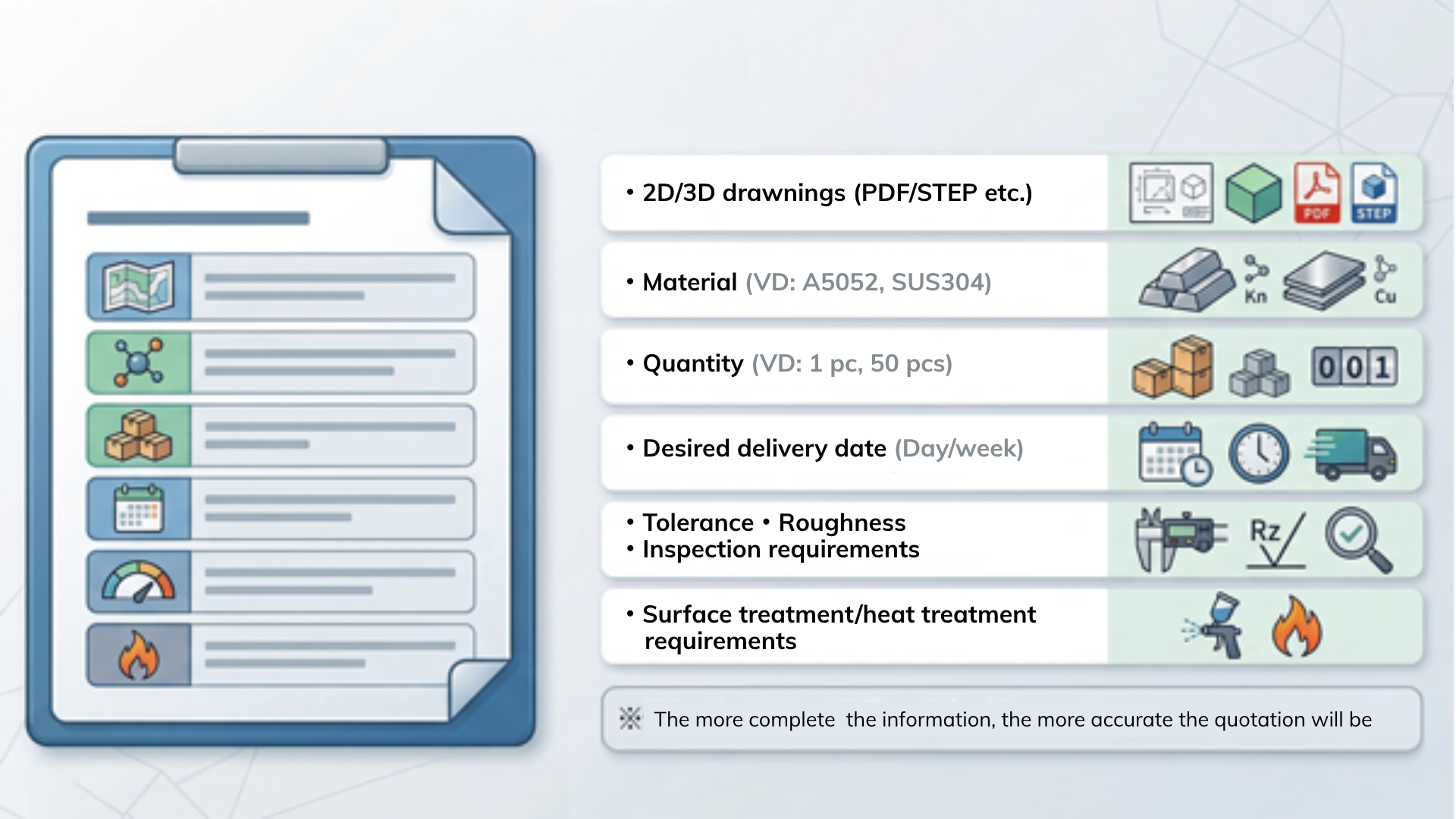
At Agency Assist Vietnam, with your drawings, we can provide a one-stop service from material sourcing to machining, procurement. We accept drawings in various formats, including 2D CAD, 3D CAD, and hand-drawn sketches.
Obtain quotations from multiple suppliers
Metal processing costs can vary significantly from one supplier to another. In particular, the breakdown of machining costs is often unclear, making it difficult to determine whether a quotation is reasonably priced based on a single quote alone. For this reason, obtaining and comparing quotations from multiple suppliers can help you better evaluate market pricing and reduce the risk of paying more than necessary. In addition, if there are any unclear or ambiguous cost items in a quotation, it is advisable to ask the supplier for a detailed explanation
However, there are situations where obtaining multiple quotations may not be practical, such as when the delivery deadline is approaching and an order needs to be placed urgently. If it is difficult to request competitive quotations from multiple suppliers, please contact Agency Assist Vietnam. Our technical sales team will review your drawings and provide a prompt quotation. We can help reduce the time and effort required to obtain and compare quotations from multiple suppliers.
Choose a supplier with strong technical support and proposal capabilities
To reduce processing costs, it is also important to choose a supplier with strong responsiveness and proposal capabilities. Since each supplier has different strengths in terms of manufacturing processes, material expertise, and available equipment, selecting a supplier that is well suited to your specific requirements is essential. In addition, suppliers with strong proposal capabilities can proactively recommend cost-saving measures, such as reviewing material selection, optimizing manufacturing processes, and refining design specifications. In particular, when dealing with complex geometries or specialized materials, selecting a supplier with extensive experience and technical know-how can provide greater confidence in both delivery performance and product quality.
Among our extensive network of partner manufacturers, Agency Assist Vietnam select the supplier best suited to your requirements to carry out metal processing and manufacture the required parts. We can accommodate a wide range of needs, from high-mix, low-volume production (just 1 or 2 pieces) to mass production. Please feel free to share your requirements with us.
Learn more about our metal processing capabilities Here.
Does a lower metal processing cost always mean a better supplier?
A lower quotation for metal processing does not necessarily mean that the supplier is the best choice. Each company uses its own cost calculation method, and differences in manufacturing processes and quality standards are reflected in the quoted price. Therefore, a low-cost quotation may sometimes conceal risks such as outdated equipment, insufficient technical expertise, or omitted inspection processes.
In some cases, a lower quotation may simply result from certain necessary processes not being included in the scope of work, so it is important to carefully review the process details covered by the quotation. When evaluating quotations, pay close attention to how thoroughly the supplier’s representative explains the proposal and responds to your requirements. Since there have been cases involving issues such as quality deterioration and delivery delays, selecting a supplier solely based on low cost is not recommended. Evaluating the right balance between cost and quality and choosing a reliable supplier will ultimately lead to more satisfactory results.
Frequently ask questions (FAQ)
| Why do tighter tolerances increase costs? |
Tighter tolerances often require restricted cutting conditions (slower machining speeds), additional processes such as grinding and reaming, extra fixtures and measuring equipment, longer inspection times, and higher scrap rates. As a result, both manufacturing costs and lead times tend to increase. |
| Can perfectly sharp internal corners be achieved? |
Not with conventional machining because cutting tools such as end mills are round. Processes such as electrical discharge machining (EDM) can produce corners that are nearly perfectly sharp, but this comes at a higher cost. In many cases, adding corner reliefs during the design stage allows the required function to be achieved while keeping manufacturing costs under control. |
| What does the scope of Agency Assist Vietnam’s services? |
Agency Assist Vietnam can support a wide range of manufacturing needs, from high-mix, low-volume production of one or two pieces to mass production. We specialize in providing a one-stop solution covering material sourcing, machining, surface treatment, and quality inspection. We also provide prompt quotation responses. For more information, please click Here. |
Conclusion
Metal processing costs mainly consist of three components: material costs, machining costs, and special processing costs, each of which is influenced by various pricing factors. Since quotation methods vary from one supplier to another, the quoted price can differ significantly between companies. Therefore, obtaining and comparing quotations from multiple suppliers is the first step toward understanding a reasonable market price.
At Agency Assist Vietnam, our professional sales team handles the entire procurement process on behalf of our customers, providing a convenient and hassle-free experience!
With more than 30 years of procurement experience and a network of more than 100 partner manufactures, Agency Assist Vietnam can source a wide range of parts through a one-stop solution, from preparing materials, processing to surface treatment, helping customers achieve greater efficiency and cost-effectiveness.
We support order from single-piece to low-volume and high-mix production.
All products are inspected by our in-house quality control team before delivery to ensure consistent quality.
Send your drawings Here for a quick quotation.