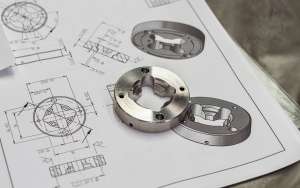


In product development and component manufacturing processing, machining is an indispensable technology. However, when preparing a request for quotation, many customers have concerns such as: “What information should be provided in advance?”, “How can I understand the quote detail”, and “What can be done to minimize costs”,…
In this post, we will explain machining quotations in an easy-to-understand manner even for beginners. We will cover the information that should be prepared before requesting a quotation, explain the key elements of a machining quote and highlight important considerations for reducing manufacturing costs in a clear and practical manner.
Contents
- Detailed structure of a machining quotation
- Points to reduce machining costs
- Preparation before requesting a machining quotation
- Conclusion
Detailed structure of a machining quotation
Machining costs are affected by a variety of factors. Due to differences in equipment, manufacturing technologies, production methods and management policies, quotations can vary significantly among suppliers. As a result, even when quoting from the same drawing, different suppliers may offer different prices.
Normally, a machining quotation consists of 3 main cost components: Material cost, machining cost, and secondary processing costs such as heat treatment and surface treatment.
| Material cost | Materila cost is the cost of raw material used in machining process. It may change depending on the material type, material grade, shape, and size required for the part. |
| Machining cost | Machining cost represents the cost incurred during the manufacturing process. Typically, it is calculated using the following formula: [Machining cost = Hourly processing rate x Processing time (hours)]. Hourly processing rate is the processing rate per hour multiplied by the machining time, including machine operating costs, labor, tooling, and other related expenses. Processing time is the amount of time required to complete the machining of a part. It can vary significantly depending on the complexity of the part design, the selected machining process, machine efficiency, and the operator’s level of expertise. |
| Heat treatment & Surface treatment costs | Heat treatment and surface treatment costs are incurred when these processes are applied to improve product performance, such as increasing strength, hardness, wear resistance, or corrosion resistance. For example, surface treatment costs vary depending on the type of treatment required, such as plating, painting, anodizing, polishing, and other finishing processes. |
Points to reduce machining costs
Reducing costs is important, but focusing only on the lowest price can result in quality issues or delivery delays. Therefore, besides cost negotiations, it is essential to understand the detailed structure of a machining quotation. Below are five key points to help you obtain a more cost-effective machining quotation without compromising quality or delivery performance.
Obtain quotations from multiple suppliers
Requesting quotations from multiple suppliers is one of the most fundamental and important steps in the procurement process. It helps you understand the market price level and identify reasonable pricing. Since comparing only two suppliers may not provide sufficient insight, it is advisable to request quotations from at least three suppliers to make a more informed decision.
When reviewing quotations, it is important not only to compare the total price but also to carefully examine the detailed cost breakdown, including material cost, machining cost, heat treatment cost, and surface treatment cost, to evaluate whether each cost item is reasonable.
The biggest benefit of comparing quotations is the ability to identify a reasonable market price. If you obtain a quotation from only one supplier, it can be difficult to determine whether the quoted price is competitive. On the other hand, by comparing quotations from multiple suppliers, you can gain a better understanding of market pricing and avoid the risk of paying unnecessarily high costs. Furthermore, competition among suppliers often leads to more competitive pricing, creating greater opportunities for cost reduction.
Prepare drawings and material specifications yourself
If you ask the machining supplier to prepare the drawings or source the materials on your behalf, the associated costs will generally be added to the quotation. You can reduce costs by creating the drawings yourself instead of outsourcing the work to the machining supplier. However, if the drawings are inaccurate or missing critical machining information, additional revisions may be required, potentially increasing the overall cost. Therefore, it is important to ensure that drawings are complete, accurate, and suitable for machining before requesting a quotation.
In addition, material costs can sometimes be reduced if the company purchases and supplies materials directly. However, for small production volumes, sourcing materials through the supplier may be more cost-effective. This is because the supplier may already have the required materials in stock or be able to use leftover material from previous jobs, such as remnant stock or off cuts. Furthermore, selecting standard materials instead of special or custom materials can help reduce material costs. Standard materials are generally easier to source, available at lower prices, and often result in shorter lead times.
Prepare data in a format supported by the supplier
Depending on the supplier’s capabilities, machining data can be provided in either 2D or 3D formats. For suppliers that primarily work with 3D data, submitting only 2D drawings may incur additional cost for data conversion. Therefore, providing data in a supplier-supported format can help reduce both conversion costs and overall machining costs.
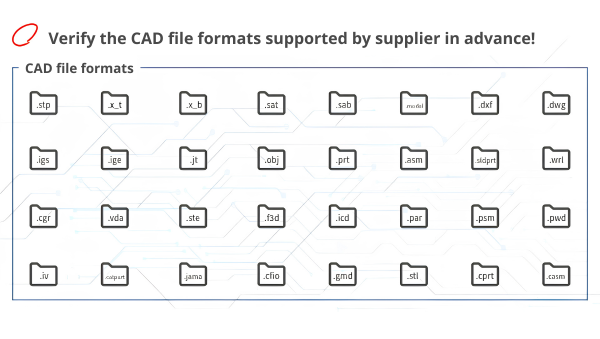
At Agency Assist Vietnam, we support both 2D and 3D drawing formats. No matter which format you use, we can handle your requirements efficiently, allowing you to proceed with confidence.
Understand each supplier thoroughly
Every machining supplier has its own strengths, such as: Specialized machining processes, familiarity with certain materials, or suitability for specific production volumes. Therefore, it is important to understand each supplier’s areas of expertise by reviewing their website, brochures, or company profiles. For example, some suppliers specialize in high-precision machining, while others are better suited for mass production. In addition, by reviewing the machinery and equipment they operate, you can assess their manufacturing capabilities, production capacity, and the level of precision they can achieve.
Place orders with sufficient lead time

Allowing sufficient lead time for delivery is another effective way to reduce machining costs. Machining suppliers typically schedule orders according to their production plans. When delivery deadlines are not overly tight, they can allocate machines, manpower, and production capacity more efficiently, helping to avoid additional costs associated with schedule adjustments or overtime work. As a result, sometimes the cost of orders with flexible delivery schedules is lower.
Preparation before requesting a machining quotation
To request a machining quotation smoothly and efficiently, it is important to prepare certain information in advance. Preparing and organizing the necessary information beforehand makes communication with the machining supplier more efficient and helps obtain an accurate quotation in a shorter period of time. The following are 4 important items that should be finalized before submitting a quotation request.
Data defining the shape and dimensions of the product
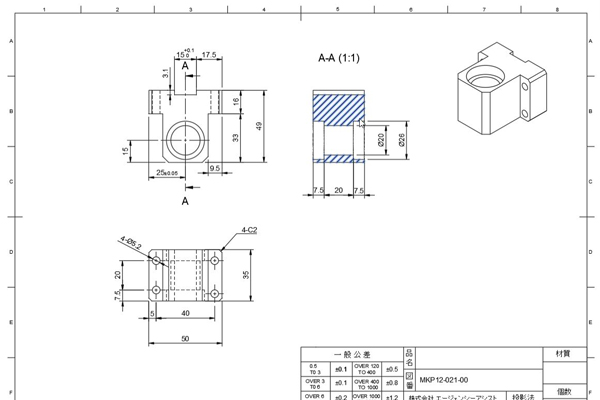
This is the most important item in a quotation request. If the shape and dimensions of the product are not clearly defined, the supplier will be unable to accurately determine the required machining processes as well as labor requirements, leading to an inaccurate quotation. Moreover, the need for 3D data varies depending on the supplier. However, providing 3D CAD data in addition to 2D drawings allows the supplier to better visualize the product geometry. Consequently, quotations are often more accurate when both 2D and 3D data are available.
Material
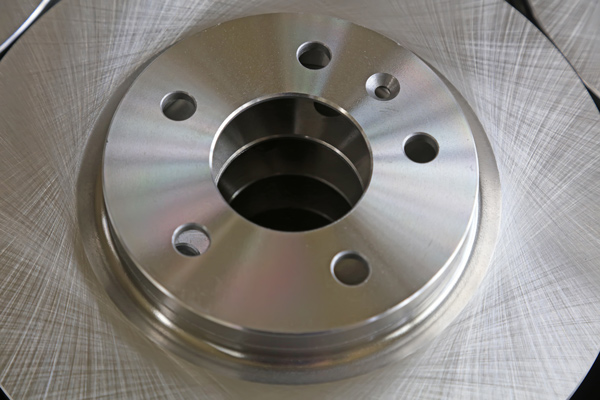
The required material, machining processes, processing conditions, and tooling requirements can vary significantly depending on the material selected, directly affecting manufacturing costs. For example, mild steel is relatively easy to machine, whereas hardened steel and stainless steel are generally more difficult to process, resulting in longer machining times and higher manufacturing costs. In addition to differences in material prices, machining difficulty can also affect processing time and tooling expenses, which ultimately influence the final quotation. In case the material has not yet been determined, it is advisable to consult with the machining supplier to select the most suitable option. Another effective approach is to prepare several candidate materials and request quotations for each option to compare costs and choose the most appropriate material.
Quantity
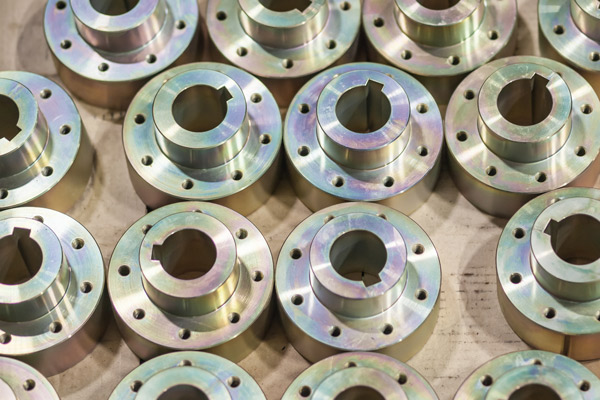
In general, the larger the order quantity, the lower the unit cost per part. This is because fixed setup costs, such as programming, machine setup, and fixture preparation, can be distributed across a greater number of parts, reducing the cost allocated to each unit.
On the other hand, suppliers specializing in small-batch production can often process low-volume orders efficiently and cost-effectively. Their flexible approach to material sourcing and machining operations enables them to accommodate custom requirements more easily, making them well suited for repeat orders and made-to-order products.
Delivery time

The suppliers will plan for manufacturing base on delivery time. By providing the required delivery schedule at the quotation stage, the supplier can evaluate its production capacity and determine whether the requested lead time can be met. When an urgent delivery is required, suppliers often need to rearrange production schedules or work overtime, which can lead to additional costs. In contrast, orders with sufficient lead time can usually be processed at standard rates without extra charges.
Conclusion
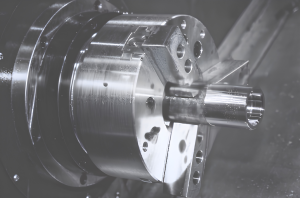
Machining is a manufacturing process that uses cutting tools to remove unnecessary material from metal or other materials to create a product with the desired shape. This method belongs to the category of material removal processes, in which a product is created by removing excess material from a workpiece.
When requesting a machining quotation, it is advisable to obtain quotation from multiple suppliers and compare them to identify the most suitable price. In addition to the quoted cost, you should carefully review quotation details such as machining processes, delivery lead times, payment terms and other conditions to make a comprehensive evaluation of overall costs.
At Agency Assist Vietnam, our professional sales team handles the entire procurement process on behalf of our customers, providing a convenient and hassle-free experience!
With more than 30 years of procurement experience and a network of more than 100 partner manufactures, Agency Assist Vietnam can source a wide range of parts through a one-stop solution, from preparing materials, processing to surface treatment, helping customers achieve greater efficiency and cost-effectiveness.
We support order from single-piece to low-volume and high-mix production.
All products are inspected by our in-house quality control team before delivery to ensure consistent quality.
Send your drawings Here for a quick quotation.
About our Machining technology list