

Aluminum machining quotations can vary significantly from one supplier to another. This is due to a variety of factors, such as the material selected, machining methods, equipment capabilities, technician expertise, and each company’s pricing policies.
For instance, even when producing the same part, a supplier with advanced machining equipment may achieve higher efficiency and precision than one using older machines, resulting in different quotation prices.
In this article, we will explain in detail the key factors that cause aluminum machining quotations to differ among suppliers and provide practical insights into how to evaluate and compare quotations effectively.
Contents
- What is Aluminum machining?
- Reasons why aluminum machining quotations differ among suppliers
- How to choose the right aluminum machining partner
- Important considerations when requesting aluminum machining
- Can individuals request aluminum machining services using their own materials?
- Conclusion
What is Aluminum machining?
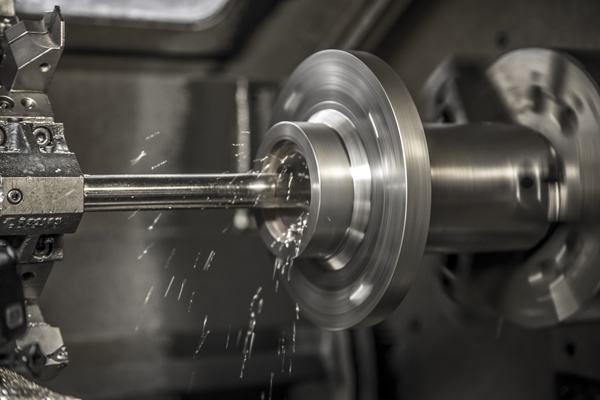
Aluminum machining is the process of manufacturing aluminum parts using various methods such as cutting, milling, turning, bending, and welding. Because aluminum offers excellent machinability and can be shaped relatively easily into the desired form, it is widely used across many industries.
Aluminum has excellent ductility, allowing complex shapes to be formed through processes such as stamping and bending. Furthermore, its excellent machinability makes it a popular choice for precision parts, molds, tooling, and other components that require high dimensional accuracy.
Types of aluminum machining
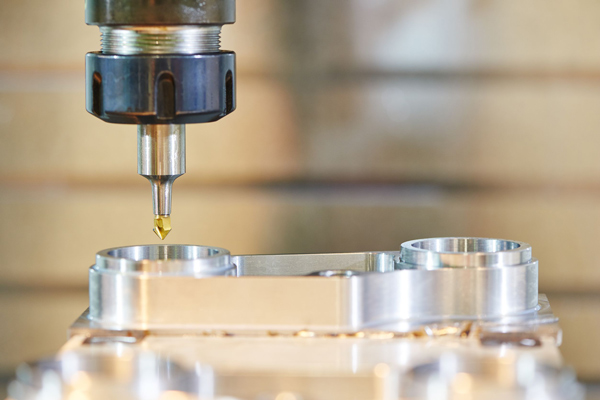
There are various methods for processing aluminum. Among them, three representative methods are machining, cutting, and welding. Each process serves a different purpose and is selected according to the product design, required accuracy, and production requirements. The following sections provide a detailed explanation of each method.
| Machining | Machining is a process that uses cutting tools to remove unnecessary material from an aluminum workpiece to create the desired shape. Machine tools such as lathes, milling machines, and machining centers are commonly used in this process. Machining is commonly used to manufacture molds, precision machine parts, aerospace components and other products that require complex shapes and high accuracy. |
| Cutting | Cutting is a process used to cut aluminum sheets, plates, or bars into the required dimensions. This is typically performed using equipment such as shearing machines, band saws, or laser cutting machines. A shearing machine uses blades to cut material along straight lines, making it suitable for cutting relatively thick aluminum sheets. A band saw uses a continuous rotating saw blade, enabling efficient cutting of various shapes and profiles. Meanwhile, a laser cutting machine uses a focused laser beam to perform non-contact cutting, allowing for extremely high precision and excellent edge quality. |
| Welding | Welding is a manufacturing process used to join aluminum parts together by applying heat, pressure, or a combination of both. Aluminum readily reacts with oxygen in the air, forming a thin layer of aluminum oxide on its surface. While aluminum itself has a melting point of approximately 660°C, aluminum oxide has a much higher melting point of around 2,000°C. In addition, aluminum has higher thermal conductivity than many other metals, causing heat to dissipate quickly during the welding process. As a result, aluminum welding requires specialized equipment, proper process control, and a high level of technical skill to achieve stable weld quality and prevent defects. There are two common aluminum welding methods are TIG (TIG welding) and MIG (MIG welding). |
In addition, other common aluminum processing methods include anodizing, which forms a protective oxide layer to improve corrosion resistance and hardness; and drilling, which is used to create holes in aluminum parts. These are widely used aluminum processing techniques in various industries.
Reasons why aluminum machining quotations differ among suppliers

Aluminum machining quotations often vary among suppliers, even for the same product and production quantity. This is mainly due to differences in equipment, machining technologies, manufacturing capabilities, operational efficiency, and business policies.
For example, suppliers that invest in advanced and modern equipment are often able to achieve higher machining accuracy and shorter lead times. However, because they need to recover the costs of their equipment investments, their quotation prices tend to be higher.
In addition, material sourcing, machining time, and production quantity also have a significant impact on quotation prices. Some suppliers can reduce material costs by purchasing raw materials in large volumes and benefiting from economies of scale, while others may only be able to purchase smaller quantities, resulting in higher material costs.
How to choose the right aluminum machining partner

When choosing an aluminum machining supplier, understanding a few key considerations can help you avoid potential issues and ensure that the final product meets your expectations. The following sections explain the key points to consider when selecting the right supplier.
Choosing a supplier based on cost
Cost is one of the key factors when selecting an aluminum machining supplier. However, the lowest price does not always represent the best choice. It is important to evaluate not only the cost but also factors such as product quality, delivery performance, technical capabilities, and production capacity.
Among the various factors that make up a quotation, machining cost is one of the primary reasons for price differences among suppliers. Machining cost refers to the expense incurred in processing aluminum into the desired shape and specifications.
Choosing a supplier based on its track record
A supplier’s machining track record is an important indicator of its technical capability and industry experience. It is advisable to review whether it has experience manufacturing similar products and whether it can consistently meet the required quality and precision standards.
Reviewing a supplier’s website, company profile, and case studies, or contacting the supplier directly to inquire about its machining experience, can be an effective way to evaluate its capabilities. In addition, each supplier has its own areas of expertise and preferred machining methods. Therefore, it is generally advisable to select a supplier whose strengths and experience align with your machining requirements.
Choosing a supplier based on responsiveness
Responsiveness is an important indicator of a supplier’s flexibility, communication skills, and ability to support customers effectively. When evaluating a supplier, consider whether it can respond appropriately to unexpected changes, urgent requests, or production issues, as well as how well it understands and fulfills your requirements.
In addition, response time to inquiries and quotation requests is also an important evaluation criterion. The ability to accurately understand customer requirements, provide appropriate recommendations, and respond to questions clearly and carefully reflects the supplier’s communication skills and customer support capabilities.
Important considerations when requesting aluminum machining
There are several important points to consider when choosing an aluminum machining supplier.

By referring to the considerations introduced below and comparing multiple suppliers, you can select the aluminum machining supplier that best suits your business needs.
Evaluate technical capabilities and services
Choosing a supplier based solely on price may lead to disappointment in terms of quality and delivery performance.
Before selecting a supplier, make sure it can support the machining processes you require, such as machining, cutting, welding, and surface treatments like anodizing. If your product requires multiple manufacturing processes, choosing a supplier that can provide a one-stop solution can simplify project management, improve communication, and reduce lead times.
In addition, each supplier has its own areas of expertise. Some suppliers specialize in precision machining of small and complex components, while others excel at manufacturing large structural parts. Therefore, it is important to choose a supplier whose strengths and capabilities align with the requirements of your project.
Compare quotations from multiple suppliers
Obtaining quotations from multiple suppliers can help you understand the market price level and secure machining services at a reasonable cost. To ensure a fair and accurate comparison, quotations should be requested under the same conditions, including material specifications, order quantity, delivery schedule, and machining requirements.
For first-time machining projects or specialized manufacturing processes, obtaining quotations from multiple suppliers can provide valuable benchmarks and reference data, helping you evaluate pricing more accurately and negotiate more effectively.
Not only that, competition among suppliers can create further opportunities for cost reduction. When multiple suppliers compete for the same project, they are often motivated to offer more competitive pricing in order to secure the order. As a result, the final machining cost may be reduced in some cases.
Do not judge a supplier solely by its size
A larger company is not necessarily a better supplier. In reality, many small and medium-sized enterprises possess highly advanced technical capabilities, particularly in specialized fields and niche manufacturing applications.
For example, if you require high-volume production, a large supplier may be a suitable choice due to its greater production capacity and resources. On the other hand, if you need low-volume, high-mix production or require greater flexibility and personalized support, a small or medium-sized enterprise may be a better fit.
Regardless of company size, suppliers should be evaluated based on their technical capabilities, responsiveness, communication skills, and ability to meet your specific requirements.
Can individuals request aluminum machining services using their own materials?
Whether a machining supplier accepts customer-supplied aluminum material depends on the supplier’s policies. Since policies regarding customer-supplied materials vary from supplier to supplier, it is important to contact the supplier in advance to confirm the details. This helps prevent unnecessary delays and avoids situations where the selected supplier is unable or unwilling to process externally supplied materials.

If you are considering low-volume aluminum machining, feel free to contact Agency Assist Vietnam. We specialize in small-lot production and can also accommodate requests involving customer-supplied materials from individual customers.
Aluminum Parts Machining Track Record
Conclusion
When requesting aluminum machining services from a supplier, it is important to communicate your requirements as clearly and specifically as possible.
If the requirements are unclear, the supplier may have difficulty estimating the necessary machining processes and production costs accurately. As a result, additional allowances may be included in the quotation to account for potential risks and uncertainties. By preparing detailed drawings and providing all necessary information in advance, you can reduce communication efforts, minimize misunderstandings, and enable the supplier to prepare a more accurate quotation. This can ultimately help you better control costs and achieve a more competitive price.
Agency Assist Vietnam is trusted by many customers, who come to us with concerns such as: “The delivery lead times offered by machining shops are too long and are causing project delays,” or “I only need a single part manufactured, but I cannot find a supplier willing to take the order.”
If you have any questions or are considering aluminum machining, please do not hesitate to contact us. Our experienced team is ready to provide consultation and support tailored to your specific requirements.
At Agency Assist Vietnam, our professional sales team handles the entire procurement process on behalf of our customers, providing a convenient and hassle-free experience!
With more than 30 years of procurement experience and a network of more than 100 partner manufactures, Agency Assist Vietnam can source a wide range of parts through a one-stop solution, from preparing materials, processing to surface treatment, helping customers achieve greater efficiency and cost-effectiveness.
We support order from single-piece to low-volume and high-mix production.
All products are inspected by our in-house quality control team before delivery to ensure consistent quality.
Send your drawings Here for a quick quotation.
About our Machining Technology List